
Natural-Looking Results, Long-Lasting Benefits: Is Composite Bonding Right for You?

Composite bonding has become increasingly popular in cosmetic dentistry due to its ability to improve the appearance of teeth and create a natural-looking smile. This procedure involves the application of a tooth-colored composite resin to the teeth, which is then shaped and polished to blend seamlessly with the surrounding teeth. Composite bonding is a minimally invasive and affordable option for those looking to enhance their smile without undergoing more extensive procedures such as veneers or crowns.
What is composite bonding?
Composite bonding is a cosmetic dental procedure that involves the application of a tooth-colored composite resin to the teeth. This resin is made up of a mixture of plastic and glass materials, which gives it its natural appearance. The resin is applied to the teeth in layers and then shaped and polished to create a seamless blend with the surrounding teeth.
The materials used in composite bonding are carefully selected to match the color and texture of the patient’s natural teeth. This ensures that the bonded teeth look and feel like natural teeth. The composite resin is also strong and durable, allowing it to withstand normal biting and chewing forces.
How does composite bonding differ from other cosmetic dental procedures?
Composite bonding differs from other cosmetic dental procedures such as veneers and crowns in several ways. Veneers are thin shells that are custom-made to fit over the front surface of the teeth, while crowns are caps that cover the entire tooth. Both veneers and crowns require more extensive tooth preparation, including the removal of a significant amount of tooth structure.
In contrast, composite bonding requires minimal tooth reduction, making it a more conservative option. The composite resin is applied directly to the tooth surface without the need for extensive preparation. This makes composite bonding a reversible procedure, as the bonded teeth can be easily removed or replaced if desired.
Another advantage of composite bonding is its affordability compared to other cosmetic dental procedures. Veneers and crowns can be quite expensive, especially if multiple teeth are involved. Composite bonding is a more cost-effective option for those looking to improve the appearance of their teeth without breaking the bank.
What are the benefits of composite bonding?
Composite bonding offers several benefits for those looking to enhance their smile. One of the main benefits is the improved appearance of the teeth. The composite resin can be used to correct a variety of cosmetic issues, including chipped or cracked teeth, gaps between teeth, and tooth discoloration. The resin is carefully matched to the color and texture of the patient’s natural teeth, creating a seamless and natural-looking result.
Another benefit of composite bonding is the minimal tooth reduction required. Unlike veneers and crowns, which require the removal of a significant amount of tooth structure, composite bonding only requires minimal preparation. This helps to preserve the natural tooth structure and maintain the overall health of the teeth.
Composite bonding is also a quick and painless procedure. The resin can be applied in a single visit to the dentist’s office, and there is no need for anesthesia or drilling. The procedure is generally well-tolerated by patients and does not cause any discomfort or sensitivity.
Lastly, composite bonding is an affordable option compared to other cosmetic dental procedures. Veneers and crowns can be quite expensive, especially if multiple teeth are involved. Composite bonding offers a more cost-effective solution for those looking to improve the appearance of their teeth without breaking the bank.
How long does composite bonding last?
The longevity of composite bonding can vary depending on several factors. These factors include the patient’s oral hygiene habits, their bite forces, and their dietary habits. On average, composite bonding can last anywhere from 5 to 10 years with proper care.
Good oral hygiene practices such as regular brushing and flossing can help prolong the lifespan of composite bonding. It is important to avoid habits such as biting on hard objects or using teeth as tools, as this can cause the composite resin to chip or break. Additionally, avoiding foods and drinks that can stain the teeth, such as coffee and red wine, can help maintain the appearance of the bonded teeth.
Regular dental check-ups are also important for maintaining composite bonding. During these check-ups, the dentist can assess the condition of the bonded teeth and make any necessary repairs or touch-ups. It is recommended to visit the dentist every 6 months for a routine check-up and cleaning.
What are the steps involved in composite bonding?
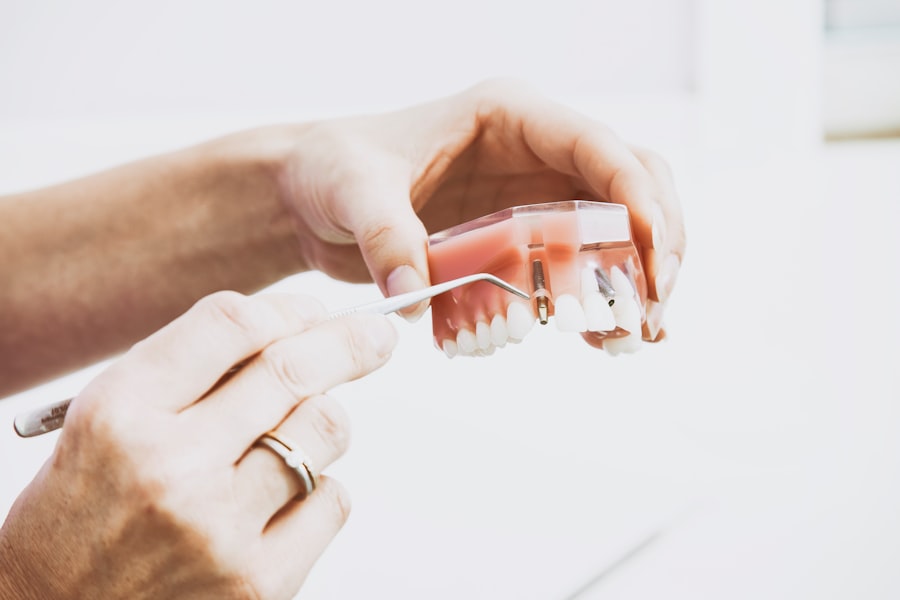
The composite bonding procedure typically involves three main steps: preparation of the teeth, application of the composite resin, and shaping and polishing of the resin.
During the preparation phase, the dentist will clean and prepare the teeth by lightly etching the surface. This creates a rough surface that allows the composite resin to adhere more effectively. The dentist will then apply a bonding agent to the teeth, which helps to further enhance the bond between the resin and the tooth structure.
Next, the dentist will apply the composite resin to the teeth in layers. Each layer is carefully shaped and molded to achieve the desired shape and contour. The dentist will use various tools and techniques to ensure that the resin blends seamlessly with the surrounding teeth.
Once the desired shape is achieved, the dentist will use a curing light to harden the resin. This process typically takes a few seconds per tooth. After curing, the resin is further shaped and polished to create a smooth and natural-looking finish.
Is composite bonding a painful procedure?
Composite bonding is generally a painless procedure. The dentist may use a local anesthetic to numb the area before starting the procedure, especially if there is any tooth preparation involved. However, in most cases, anesthesia is not necessary as composite bonding is a minimally invasive procedure that does not cause any discomfort or sensitivity.
During the procedure, patients may feel slight pressure or vibration as the dentist works on their teeth. However, this is usually well-tolerated and does not cause any pain. After the procedure, patients may experience some sensitivity to hot or cold temperatures, but this typically resolves within a few days.
Who is a good candidate for composite bonding?
Composite bonding is a versatile procedure that can address a variety of dental issues. It is suitable for those looking to improve the appearance of their teeth without undergoing more extensive procedures such as veneers or crowns.
Composite bonding can be used to correct chipped or cracked teeth, close gaps between teeth, reshape misaligned teeth, and improve the color and texture of the teeth. It is also a good option for those with minor tooth decay or enamel erosion, as the resin can be used to restore the affected areas.
Factors that may affect candidacy for composite bonding include the overall health of the teeth and gums, the presence of any underlying dental issues, and the patient’s expectations and goals for treatment. It is important to consult with a dentist to determine if composite bonding is the right option for you.
What are the potential risks of composite bonding?
Like any dental procedure, composite bonding carries some potential risks and complications. These can include tooth sensitivity, allergic reactions to the materials used, and discoloration or staining of the resin over time.
To minimize these risks, it is important to choose an experienced and qualified dentist who uses high-quality materials. It is also important to follow proper oral hygiene practices and avoid habits that can damage the bonded teeth, such as biting on hard objects or using teeth as tools.
Regular dental check-ups are also important for monitoring the condition of the bonded teeth and making any necessary repairs or touch-ups. If any issues arise with the bonded teeth, it is important to contact your dentist as soon as possible.
How much does composite bonding cost?
The cost of composite bonding can vary depending on several factors, including the number of teeth being treated, the complexity of the case, and the location of the dental practice. On average, the cost of composite bonding can range from $200 to $600 per tooth.
It is important to note that composite bonding is generally more affordable than other cosmetic dental procedures such as veneers or crowns. Veneers can cost anywhere from $800 to $2,500 per tooth, while crowns can range from $1,000 to $3,500 per tooth. Composite bonding offers a more cost-effective option for those looking to improve the appearance of their teeth.
How can I maintain my composite bonding results?
To maintain the results of composite bonding, it is important to practice good oral hygiene. This includes brushing your teeth at least twice a day with a soft-bristled toothbrush and fluoride toothpaste, flossing daily, and using an antibacterial mouthwash.
It is also important to avoid habits that can damage the bonded teeth. This includes avoiding biting on hard objects such as ice or pens, and avoiding using your teeth as tools to open packages or bottles. These habits can cause the composite resin to chip or break.
Regular dental check-ups are also important for maintaining composite bonding. During these check-ups, the dentist can assess the condition of the bonded teeth and make any necessary repairs or touch-ups. It is recommended to visit the dentist every 6 months for a routine check-up and cleaning.
Composite bonding is a popular and effective option for those looking to enhance their smile. It offers several benefits, including improved appearance of the teeth, minimal tooth reduction, quick and painless procedure, and affordability compared to other cosmetic dental procedures.
While composite bonding is a relatively long-lasting solution, it does require proper care and maintenance to ensure its longevity. By practicing good oral hygiene, avoiding habits that can damage the bonded teeth, and regularly visiting the dentist, patients can enjoy the benefits of composite bonding for many years to come.
FAQs
What is composite bonding?
Composite bonding is a cosmetic dental procedure that involves the application of a tooth-colored resin material to the teeth to improve their appearance. It is a non-invasive and cost-effective alternative to other cosmetic dental procedures such as veneers and crowns.
What are the benefits of composite bonding?
Composite bonding can improve the appearance of teeth by correcting issues such as discoloration, chipping, and gaps. It is a quick and painless procedure that can be completed in a single visit to the dentist. Composite bonding is also less expensive than other cosmetic dental procedures and can last up to 10 years with proper care.
Is composite bonding right for me?
Composite bonding may be a good option for individuals who have minor cosmetic dental issues such as discoloration, chipping, or gaps. It is not recommended for individuals with severe dental issues or those who have significant decay or damage to their teeth. A consultation with a dentist can help determine if composite bonding is the right option for you.
What is the process for composite bonding?
The process for composite bonding involves the application of a tooth-colored resin material to the teeth. The dentist will first prepare the teeth by cleaning and roughening the surface. The resin material is then applied to the teeth and shaped to achieve the desired look. A special light is used to harden the resin, and the teeth are polished to give them a natural-looking finish.
How long does composite bonding last?
Composite bonding can last up to 10 years with proper care. It is important to avoid biting down on hard objects and to maintain good oral hygiene to ensure the longevity of the bonding. Regular dental check-ups and cleanings can also help to prolong the life of the bonding.