
How do I care for the grafted area and dental implants after the procedures?
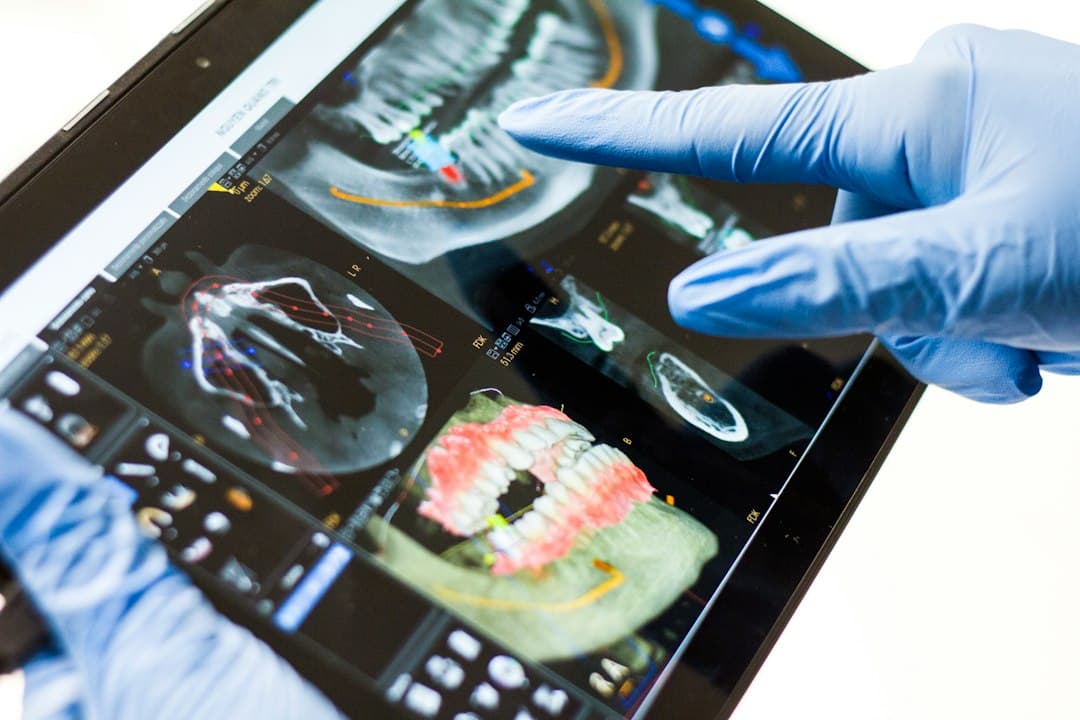
Grafted areas and dental implants are common procedures in dentistry that help restore the function and aesthetics of the mouth. Grafted areas refer to the process of taking tissue from one part of the body and transplanting it to another area, typically to replace missing or damaged tissue in the mouth. Dental implants, on the other hand, involve the placement of artificial tooth roots into the jawbone to support a replacement tooth or bridge.
Proper care and maintenance of grafted areas and dental implants are crucial for their long-term success. This article will provide a comprehensive guide on how to care for these procedures, including post-operative instructions, oral hygiene techniques, diet and nutrition considerations, pain management guidelines, follow-up appointments, potential complications, lifestyle changes to avoid, and long-term care.
Key Takeaways
- Proper care and maintenance of grafted areas and dental implants is crucial for successful healing and long-term success.
- Post-operative instructions include avoiding certain foods, maintaining good oral hygiene, and taking prescribed medications.
- Proper oral hygiene for grafted areas and dental implants involves regular brushing, flossing, and rinsing with an antibacterial mouthwash.
- A healthy diet and proper nutrition can aid in the healing process and promote long-term success of grafting and implant procedures.
- Pain management and medication guidelines should be followed closely, and any potential complications or warning signs should be reported to the dentist immediately.
Post-operative instructions
After undergoing a grafted area or dental implant procedure, it is important to allow for a proper rest and recovery period. This may involve avoiding strenuous activities for a few days or weeks, depending on the extent of the procedure. Resting allows the body to heal and reduces the risk of complications.
Certain activities should be avoided during the healing process to prevent damage to the grafted area or dental implant. These activities may include chewing on hard or sticky foods, smoking, drinking alcohol, and participating in contact sports. It is important to follow these instructions provided by your dentist or oral surgeon to ensure optimal healing.
Pain and discomfort are common after grafted area or dental implant procedures. Your dentist may prescribe pain medication or recommend over-the-counter pain relievers to manage these symptoms. It is important to follow the prescribed dosage and frequency of medication and report any severe or prolonged pain to your dentist.
Proper oral hygiene
Maintaining proper oral hygiene is essential for the long-term success of grafted areas and dental implants. Brushing and flossing techniques should be modified to ensure gentle cleaning around the surgical site. It is important to use a soft-bristled toothbrush and avoid applying excessive pressure to the grafted area or dental implant.
Flossing should be done carefully to avoid injuring the surgical site. It is recommended to use a floss threader or interdental brushes to clean between teeth and around the dental implant. Your dentist may also recommend the use of antimicrobial mouthwash to reduce the risk of infection and promote healing.
Regular dental check-ups are crucial for monitoring the health of grafted areas and dental implants. Your dentist will assess the healing progress, perform professional cleanings, and make any necessary adjustments or modifications to your treatment plan. It is important to attend these appointments as scheduled to ensure the long-term success of your procedure.
Diet and nutrition considerations
Following a proper diet and nutrition plan can greatly aid in the healing process of grafted areas and dental implants. Certain foods should be avoided during the initial healing period, such as hard or sticky foods that can put pressure on the surgical site or dislodge the dental implant. It is best to stick to soft foods that are easy to chew and swallow.
Foods that are rich in vitamins, minerals, and protein can promote optimal healing. These may include fruits, vegetables, lean meats, fish, dairy products, and legumes. It is also important to stay hydrated by drinking plenty of water throughout the day.
Pain management and medication guidelines
Pain management after a grafted area or dental implant procedure may involve the use of prescribed medication or over-the-counter pain relievers. Your dentist will provide specific instructions on the type of medication, dosage, and frequency. It is important to follow these guidelines and report any severe or prolonged pain to your dentist.
Some common medications prescribed for pain management after oral surgery include nonsteroidal anti-inflammatory drugs (NSAIDs) such as ibuprofen, acetaminophen, and opioids. It is important to be aware of the potential side effects of these medications, such as drowsiness, dizziness, nausea, and constipation. If you experience any severe or persistent side effects, contact your dentist or healthcare provider.
Follow-up appointments and monitoring
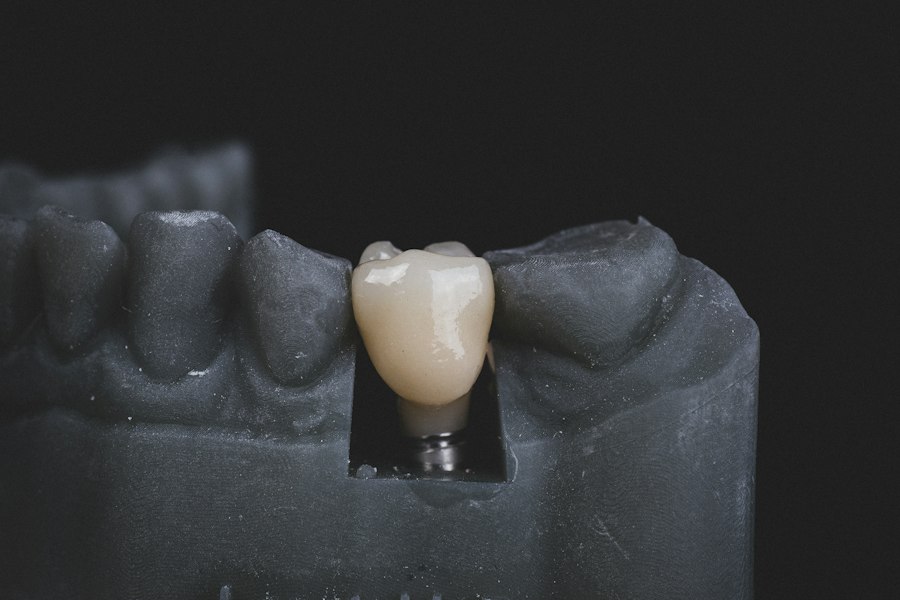
Follow-up appointments with your dentist or oral surgeon are crucial for monitoring the healing progress of grafted areas and dental implants. These appointments allow your dentist to assess the success of the procedure, make any necessary adjustments or modifications to your treatment plan, and address any concerns or complications that may arise.
During these appointments, your dentist will examine the surgical site, take X-rays if necessary, and perform professional cleanings. They will also provide guidance on proper oral hygiene techniques and answer any questions you may have about the care and maintenance of your grafted area or dental implant.
Potential complications and warning signs
While grafted areas and dental implants are generally safe procedures, there is a risk of complications. Infection is one of the most common complications that can occur after oral surgery. Signs of infection may include increased pain, swelling, redness, pus discharge, and fever. If you experience any of these symptoms, it is important to seek immediate medical attention.
Implant failure is another potential complication that can occur after a dental implant procedure. Signs of implant failure may include loosening or movement of the implant, persistent pain or discomfort, gum recession around the implant, and difficulty chewing or speaking. If you notice any of these signs, contact your dentist as soon as possible.
Lifestyle changes and habits to avoid
Certain lifestyle changes and habits should be avoided to ensure the long-term success of grafted areas and dental implants. Smoking is one of the most detrimental habits that can negatively affect the healing process and increase the risk of complications. It is important to quit smoking before undergoing a grafted area or dental implant procedure and to avoid smoking during the healing period.
Drinking alcohol can also interfere with the healing process and increase the risk of complications. It is best to avoid alcohol consumption during the initial healing period and to drink in moderation thereafter. Chewing on hard objects, such as pens or ice, should also be avoided as it can damage the grafted area or dental implant.
Long-term care and maintenance
Proper long-term care and maintenance are essential for the longevity of grafted areas and dental implants. Regular dental check-ups are important for monitoring the health of these procedures and addressing any issues that may arise. Your dentist will perform professional cleanings, assess the stability of the dental implant, and make any necessary adjustments or modifications to your treatment plan.
Maintaining proper oral hygiene habits is crucial for the long-term success of grafted areas and dental implants. This includes brushing twice a day with a soft-bristled toothbrush, flossing daily using a floss threader or interdental brushes, and using antimicrobial mouthwash as recommended by your dentist.
Depending on your specific case, you may require future procedures to maintain or enhance the results of your grafted area or dental implant. This may include bone grafting, gum grafting, or replacement of the dental implant crown. It is important to discuss these potential needs with your dentist and follow their recommendations for long-term care.
Frequently asked questions
1. How long does it take for a grafted area or dental implant to heal?
The healing time for grafted areas and dental implants can vary depending on the individual case. In general, it can take several months for the surgical site to fully heal and integrate with the surrounding tissues. Your dentist will provide specific instructions on how to care for the surgical site during this healing period.
2. Can I eat normally after a grafted area or dental implant procedure?
During the initial healing period, it is best to stick to soft foods that are easy to chew and swallow. Avoid hard or sticky foods that can put pressure on the surgical site or dislodge the dental implant. Your dentist will provide specific dietary guidelines based on your individual case.
3. How often should I visit my dentist after a grafted area or dental implant procedure?
Regular dental check-ups are important for monitoring the health of grafted areas and dental implants. Your dentist will recommend the frequency of these visits based on your individual case. It is important to attend these appointments as scheduled to ensure the long-term success of your procedure.
In conclusion, proper care and maintenance of grafted areas and dental implants are crucial for their long-term success. This includes following post-operative instructions, maintaining proper oral hygiene, following a proper diet and nutrition plan, managing pain and medication guidelines, attending follow-up appointments, being aware of potential complications and warning signs, avoiding certain lifestyle changes and habits, and practicing long-term care and maintenance. By following these guidelines and seeking regular dental care, you can ensure the longevity of your grafted areas and dental implants.
If you’re looking for more information on how to care for the grafted area and dental implants after the procedures, you may find the article on restorative care from Toothport Dental Centre helpful. This article provides valuable insights and tips on maintaining oral health after restorative procedures, including caring for grafted areas and dental implants. To learn more, you can visit their website at https://toothportdentalcentre.com/services/restorative-implants/.
FAQs
What is a dental implant?
A dental implant is a surgical component that is placed into the jawbone to support a dental prosthesis such as a crown, bridge, or denture.
What is a grafted area?
A grafted area is a site where bone or soft tissue has been surgically transplanted from one part of the body to another to promote healing or growth.
How do I care for the grafted area after the procedure?
After a grafting procedure, it is important to follow your dentist’s instructions for post-operative care, which may include avoiding hard or crunchy foods, taking prescribed medications, and keeping the area clean and free of infection.
How do I care for dental implants after the procedure?
After a dental implant procedure, it is important to maintain good oral hygiene by brushing and flossing regularly, avoiding hard or sticky foods, and attending regular dental check-ups to monitor the health of the implant and surrounding tissues.
What are the risks associated with dental implant and grafting procedures?
Like any surgical procedure, dental implant and grafting procedures carry some risks, including infection, bleeding, nerve damage, and implant failure. However, these risks can be minimized by choosing a qualified and experienced dental professional and following proper post-operative care instructions.