
Cavity-Free Kids: Fun and Educational Tips for Oral Health at Home
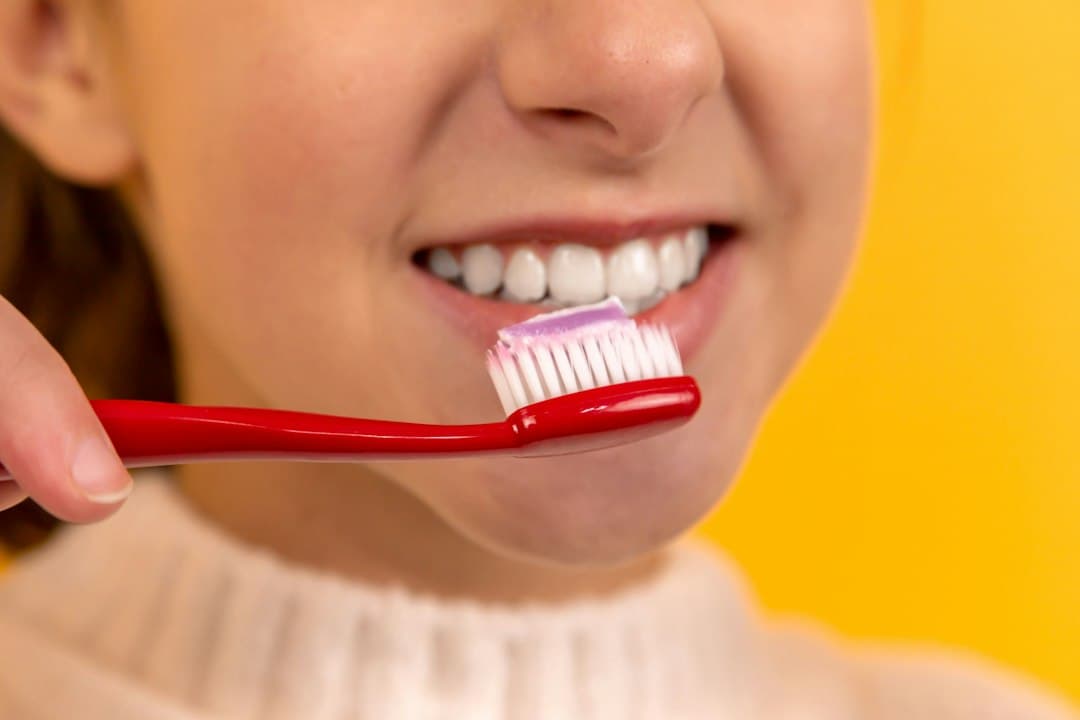
Good oral health is essential for overall health and well-being, and it is especially important for children. Establishing good oral health habits early on can set the foundation for a lifetime of healthy teeth and gums. Poor oral health can lead to a variety of problems, including cavities, gum disease, and even systemic health issues. By prioritizing oral health for kids, parents can help ensure that their children have a healthy smile that lasts a lifetime.
Key Takeaways
- Good oral health habits should be established early on in childhood to promote lifelong oral health.
- Proper brushing and flossing techniques are essential for maintaining healthy teeth and gums.
- Choosing the right toothbrush and toothpaste can make a big difference in oral health.
- A healthy diet that includes foods that promote healthy teeth and gums is important for oral health.
- Fluoride plays a crucial role in preventing cavities in kids.
Establishing Healthy Habits: Brushing and Flossing Techniques for Kids
Brushing and flossing are the cornerstones of good oral hygiene. It is important to teach children proper brushing and flossing techniques from an early age to ensure that they are effectively removing plaque and bacteria from their teeth and gums.
When it comes to brushing, it is recommended that children brush their teeth at least twice a day for two minutes each time. Parents should supervise brushing until the child is able to do it effectively on their own, usually around the age of 7 or 8. It is important to use a soft-bristled toothbrush and a pea-sized amount of fluoride toothpaste. Children should be taught to brush in small circular motions, making sure to brush all surfaces of the teeth, including the front, back, and chewing surfaces.
Flossing should be introduced as soon as two teeth touch each other. Parents can use floss picks or floss sticks to make it easier for children to maneuver the floss between their teeth. It is important to teach children to gently glide the floss up and down between each tooth, making sure to reach the gum line.
Choosing the Right Toothbrush and Toothpaste for Kids
Choosing the right toothbrush and toothpaste for your child is an important part of maintaining good oral health. There are many options available on the market specifically designed for children.
When it comes to toothbrushes, it is important to choose one with soft bristles that are gentle on the gums. Look for a toothbrush with a small head and a comfortable grip that is easy for your child to hold. Electric toothbrushes can also be a good option for children, as they can make brushing more fun and effective.
When choosing toothpaste, look for one that contains fluoride, as fluoride helps strengthen the enamel and prevent cavities. Make sure to use only a pea-sized amount of toothpaste for children under the age of 6 to minimize the risk of swallowing too much fluoride. For children under the age of 2, it is recommended to use a fluoride-free toothpaste.
It is also important to replace your child’s toothbrush every three to four months or sooner if the bristles become frayed. Using a worn-out toothbrush can be less effective in removing plaque and bacteria from the teeth and gums.
Nutrition and Oral Health: Foods That Promote Healthy Teeth and Gums
Nutrition plays a crucial role in maintaining good oral health. A healthy diet can help prevent cavities, gum disease, and other oral health problems. It is important to encourage children to eat a balanced diet that includes foods that promote healthy teeth and gums.
Foods that are rich in calcium, such as dairy products, leafy greens, and almonds, are important for strong teeth and bones. Vitamin C-rich foods, such as citrus fruits and strawberries, can help promote healthy gums. Crunchy fruits and vegetables, like apples and carrots, can help clean the teeth and stimulate saliva production, which helps neutralize acids in the mouth.
On the other hand, there are certain foods that should be avoided or consumed in moderation to maintain good oral health. Sugary snacks and drinks, such as candy, soda, and fruit juices, can contribute to tooth decay if consumed frequently. Sticky and chewy foods, like caramel and gummy candies, can also stick to the teeth and increase the risk of cavities.
The Role of Fluoride in Preventing Cavities in Kids
Fluoride is a mineral that helps prevent tooth decay by strengthening the enamel and making it more resistant to acid attacks from plaque bacteria and sugars in the mouth. It can also reverse early stages of tooth decay.
Children need fluoride to help protect their developing teeth. The amount of fluoride they need depends on their age and risk of cavities. For children under the age of 3, a smear of fluoride toothpaste about the size of a grain of rice is recommended. For children aged 3 to 6, a pea-sized amount of fluoride toothpaste should be used.
In addition to toothpaste, there are other sources of fluoride that can help prevent cavities in children. Fluoridated water is one of the most effective ways to prevent tooth decay. Many communities have fluoridated water supplies, but if your tap water is not fluoridated, your dentist may recommend fluoride supplements.
Preventing Tooth Decay: Tips for Limiting Sugary Snacks and Drinks
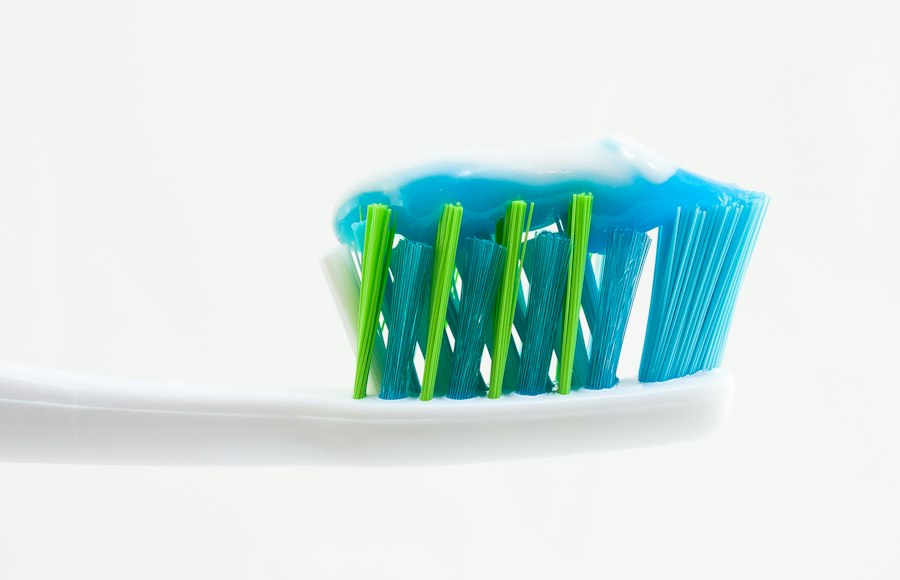
Sugar is one of the main culprits when it comes to tooth decay. When bacteria in the mouth break down sugars, they produce acids that can erode the enamel and lead to cavities. Limiting sugary snacks and drinks can help prevent tooth decay in children.
One tip for limiting sugary snacks and drinks is to encourage children to choose healthier alternatives. Instead of reaching for a candy bar, they can have a piece of fruit or a handful of nuts. Instead of soda or fruit juice, they can drink water or milk.
It is also important to be mindful of hidden sugars in foods and drinks. Many processed foods, such as cereals, granola bars, and yogurt, contain added sugars. Reading food labels can help identify hidden sugars and make healthier choices.
Another tip is to establish regular meal and snack times. This can help reduce the frequency of snacking throughout the day, which can contribute to tooth decay. It is also important to encourage children to brush their teeth after consuming sugary snacks or drinks, or at least rinse their mouth with water.
The Importance of Regular Dental Check-Ups for Kids
Regular dental check-ups are an important part of maintaining good oral health for children. They allow the dentist to monitor the child’s oral health, identify any potential issues early on, and provide preventive care.
It is recommended that children see the dentist every six months for a routine check-up and cleaning. However, some children may need more frequent visits depending on their oral health needs. The dentist will be able to determine the appropriate frequency of visits based on the child’s individual needs.
During a dental check-up, the dentist will examine the child’s teeth and gums, clean their teeth, and take any necessary X-rays. They will also provide guidance on proper oral hygiene techniques and answer any questions or concerns that parents may have.
Fun Activities to Encourage Kids to Take Care of Their Teeth
Making oral health care fun can help encourage children to take care of their teeth and establish good oral health habits. There are many fun activities that parents can incorporate into their child’s daily routine to make brushing and flossing more enjoyable.
One idea is to play music or sing a song while brushing. This can help make brushing time more entertaining and ensure that children brush for the recommended two minutes. There are also toothbrushes available that play music or have built-in timers to make brushing more fun.
Another idea is to create a reward system for good oral health habits. For example, parents can create a sticker chart where children earn a sticker each time they brush and floss properly. Once they reach a certain number of stickers, they can earn a small reward, such as a trip to the park or a special treat.
Parents can also involve their children in choosing their own toothbrush and toothpaste. Letting them pick out a toothbrush with their favorite character or color can make brushing more exciting. There are also flavored toothpastes available that children may find more appealing.
Common Dental Problems in Kids and How to Prevent Them
There are several common dental problems that can affect children, including cavities, gum disease, and malocclusion (misalignment of the teeth). Fortunately, many of these problems can be prevented with good oral hygiene and regular dental care.
Cavities are one of the most common dental problems in children. They occur when bacteria in the mouth produce acids that erode the enamel and create small holes in the teeth. To prevent cavities, it is important to brush and floss regularly, limit sugary snacks and drinks, and visit the dentist for regular check-ups.
Gum disease, also known as gingivitis, is an inflammation of the gums caused by plaque buildup. It can cause redness, swelling, and bleeding of the gums. Good oral hygiene, including brushing and flossing, can help prevent gum disease. Regular dental cleanings are also important to remove plaque and tartar buildup.
Malocclusion is a common problem in children that can affect their bite and overall oral health. It can be caused by factors such as thumb sucking, pacifier use, or genetics. Early intervention by an orthodontist can help correct malocclusion and prevent further dental problems.
If your child experiences any dental problems, it is important to seek prompt treatment from a dentist. Ignoring dental issues can lead to more serious problems down the line.
Encouraging Lifelong Oral Health Habits in Kids
Encouraging lifelong oral health habits in children is crucial for their overall health and well-being. By prioritizing oral health from an early age, parents can help ensure that their children have a healthy smile that lasts a lifetime.
To recap, it is important to establish good oral health habits early on, including proper brushing and flossing techniques. Choosing the right toothbrush and toothpaste for your child is also important, as is maintaining a healthy diet that promotes good oral health. Fluoride plays a key role in preventing cavities, and it is important to limit sugary snacks and drinks to prevent tooth decay.
Regular dental check-ups are essential for monitoring your child’s oral health and providing preventive care. Making oral health care fun with activities and rewards can help encourage children to take care of their teeth. By being proactive in preventing common dental problems and seeking prompt treatment when needed, parents can help ensure that their children have a lifetime of healthy smiles.
If you’re looking for more information on maintaining good oral health for your children, be sure to check out Toothport Dental Centre’s article on “Cavity-Free Kids: Fun and Educational Tips for Oral Health at Home.” In addition to this helpful resource, Toothport Dental Centre offers a wide range of dental procedures and services, including cosmetic care, emergency care, general care, children’s care, and restorative care. They prioritize the safety of their patients with their COVID-19 safety measures in place. To learn more about Toothport Dental Centre and book an appointment, visit their website at https://toothportdentalcentre.com/.
FAQs
What is the article about?
The article is about providing fun and educational tips for parents to help their children maintain good oral health and prevent cavities.
Why is oral health important for kids?
Oral health is important for kids because it affects their overall health and well-being. Poor oral health can lead to pain, infection, difficulty eating, and even problems with speech development.
What are some tips for preventing cavities in kids?
Some tips for preventing cavities in kids include brushing teeth twice a day with fluoride toothpaste, flossing daily, limiting sugary snacks and drinks, and visiting the dentist regularly.
How can parents make oral health fun for kids?
Parents can make oral health fun for kids by using colorful toothbrushes and toothpaste, playing music or singing songs while brushing, and using educational games or apps to teach kids about oral health.
When should kids start seeing a dentist?
Kids should start seeing a dentist by their first birthday or within six months of their first tooth appearing, whichever comes first.
What are some signs that a child may have a cavity?
Some signs that a child may have a cavity include tooth pain, sensitivity to hot or cold foods and drinks, visible holes or pits in the teeth, and discoloration or dark spots on the teeth.
What should parents do if they suspect their child has a cavity?
Parents should take their child to the dentist if they suspect their child has a cavity. The dentist can diagnose the problem and recommend treatment options, which may include filling the cavity or other procedures.